What Is PayFi and How Does It Transform Cryptocurrency Payments?
PayFi crypto is a new way to move money using blockchain technology.
It combines digital assets, stablecoins, and modern payment systems.
In traditional finance, payments can be slow and expensive.
Cross-border transfers often take days and include hidden costs.
PayFi is built to fix that.
With PayFi, transfers can settle in minutes, sometimes seconds.
Users get clearer fees, better tracking, and faster access to funds.
This matters for freelancers, families sending remittances, online businesses, and crypto card users.
Understanding Payment Finance Fundamentals
Definition and Core Concept
So, what is PayFi?
PayFi (payment finance) is the use of crypto rails for real payments, not just trading.
It focuses on practical use cases:
- paying people across countries
- merchant settlements
- payroll and contractor payouts
- everyday spending with cards
Unlike legacy systems with many intermediaries, PayFi can reduce steps in the payment chain.
That usually means lower costs and faster final settlement.
How PayFi Works
A simple PayFi flow looks like this:
- A user starts a payment from an app or wallet.
- Funds move as digital assets, often stablecoins.
- The transaction is recorded on a blockchain.
- Smart contracts apply payment rules automatically.
- Liquidity pools or partners handle conversion if needed.
- The receiver gets funds, and both sides can verify status in real time.
This is why blockchain technology is central to payment finance: it adds speed, transparency, and automation.
Key Features and Benefits of PayFi
Real-Time Settlement and Instant Transactions
Legacy systems often batch and delay settlement.
PayFi improves this with near real-time processing and instant settlement in many cases.
Benefits include:
- faster cash availability
- fewer payment status disputes
- simpler reconciliation for finance teams
Cross-Border Payment Efficiency
Cross-border payments are one of the biggest PayFi wins.
Instead of multi-bank routes, value moves directly through crypto rails.
That can reduce:
- transfer time
- intermediary costs
- FX friction in some flows
For remote workers and global businesses, this can be a major upgrade.
Reduced Transaction Costs
Traditional transfers may include multiple fees.
PayFi usually has a clearer fee model: network cost + service cost + optional conversion.
Lower transaction fees help:
- consumers keep more money
- businesses protect margins
- small payments stay economical
Financial Inclusion for Unbanked Populations
Financial inclusion is a core PayFi benefit.
Many people have smartphones but limited banking access.
Wallet-based tools can help them receive, store, and spend funds more easily.
In fast-growing markets, mobile-first payment finance tools can open access to global commerce.
PayFi Use Cases and Applications
Cross-Border Remittances and International Transfers
Remittance users care about two things: speed and net amount received.
PayFi improves both when rails and liquidity are strong.
If fees drop and settlement is faster, families receive more value and receive it sooner.
Crypto Card Payments and Everyday Spending
PayFi becomes practical when users can spend easily.
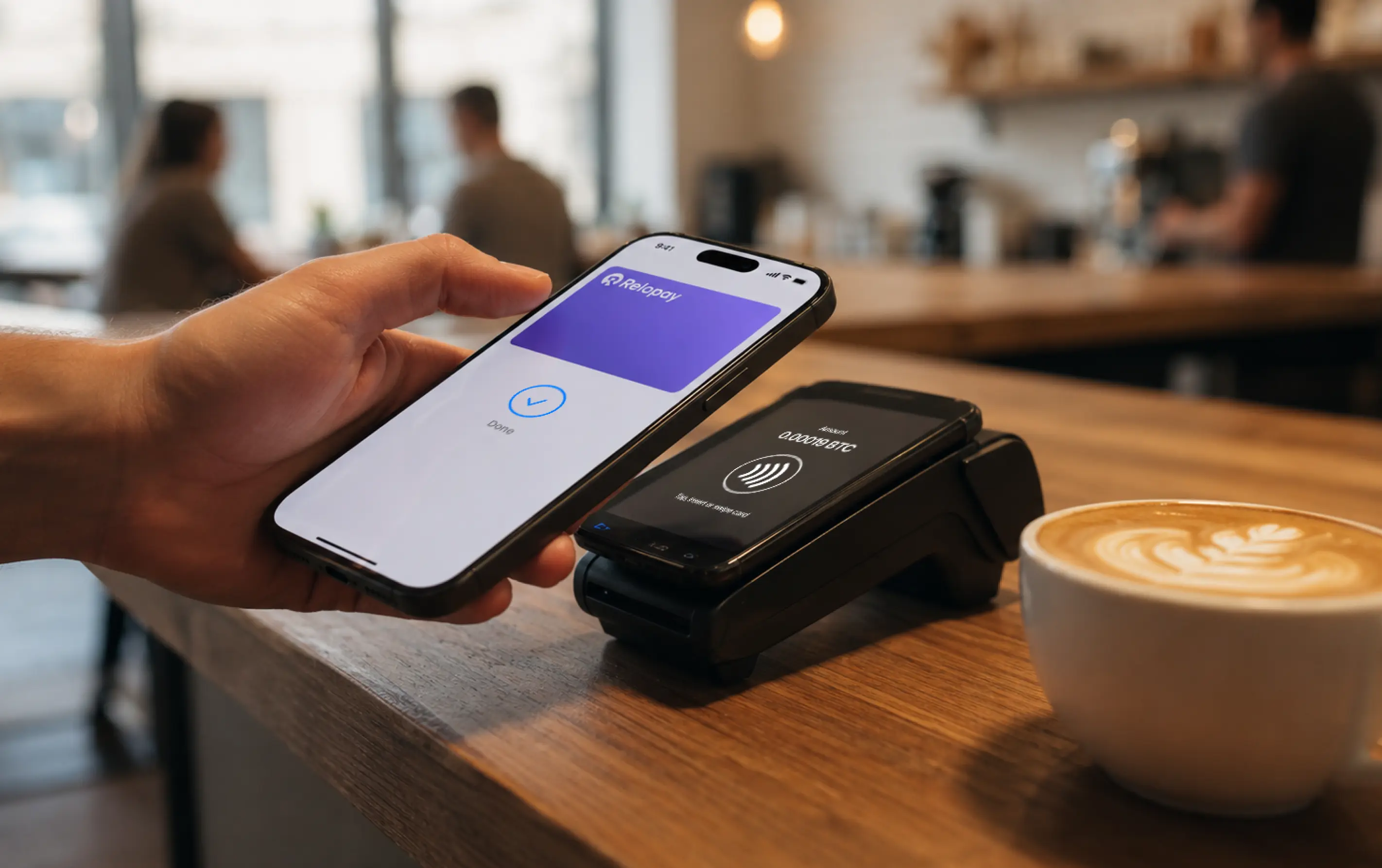
Crypto cards bridge digital balances to daily purchases.
Users can:
- fund a card from supported assets
- pay at global merchants
- track spending in one app
This is where payment processing quality matters most.
Invoice Factoring and B2B Settlements
B2B payments often lock up cash for weeks.
PayFi can shorten payment cycles and improve working capital.
Businesses can automate payout logic and reduce manual reconciliation through smart contracts.
Blockchain Platforms Powering PayFi
Solana and PayFi Performance Requirements
PayFi Solana discussions are common because payment use cases need speed and low cost.
High-throughput networks help when transaction volume grows.
Teams typically look for:
- fast confirmations
- low per-transaction cost
- reliable developer tools
Stellar Network for Payment Finance
The PayFi network conversation also includes Stellar.
It is often used for transfer-heavy and cross-border payment scenarios.
Its payment-first design and ecosystem integrations make it relevant for many PayFi models.
PayFi Technology Stack
Stablecoins in Payment Finance
Stablecoins are the backbone of most PayFi flows.
They reduce day-to-day volatility and make pricing more predictable.
In payment finance, digital assets are chosen for utility, liquidity, and settlement reliability.
Smart Contracts and Liquidity Pools
Smart contracts automate payment rules.
Liquidity pools support fast conversion and routing.
Together, they enable faster settlement and scalable transaction design.
Crypto Cards and PayFi Integration
How Crypto Cards Work with PayFi
A common flow:
- User funds wallet or app balance.
- User pays with a crypto card.
- Authorization runs via card rails.
- Backend handles conversion and settlement.
- Merchant receives payment in a familiar way.
For examples, Relopay card options are available here: https://relopay.io/cards.
Setting Up and Using Crypto Cards
Typical setup steps:
- Create account and complete verification.
- Enable security controls.
- Fund the account.
- Activate card.
- Set limits and start spending.
A good user experience includes alerts, controls, and clear fee visibility.
Technical Innovations in PayFi
Real-World Asset Tokenization
A PayFi token model can connect payments to tokenized real-world assets in compliant structures.
This can improve settlement flexibility and transparency in some enterprise workflows.
Yield-Bearing Stablecoins and Automated Workflows
Some PayFi systems support automated finance operations:
- scheduled payouts
- rule-based treasury movement
- recurring supplier payments
Smart contracts make these workflows faster and less manual.
Challenges and Risks in PayFi
Security, Regulatory, and Market Risks
PayFi still has risks:
- smart contract bugs
- custody and key management issues
- changing regulations
- liquidity stress events
Risk controls should include audits, strong security design, and transparent compliance practices.
User Education and Adoption Barriers
Many users still face a learning curve.
Confusing interfaces and unclear terms can slow adoption.
Platforms grow faster when onboarding is simple, fees are transparent, and support is responsive.
How to Get Started with PayFi
Choosing the Right PayFi Platform
Compare platforms on:
- security and audits
- fee transparency
- supported countries and payout methods
- card and wallet usability
- customer support quality
Choose the one that works best in real payment scenarios, not just in marketing demos.
Making Your First PayFi Transaction
Start safely:
- Send a small test transaction first.
- Confirm recipient details carefully.
- Review fees before confirming.
- Save records for tracking.
- Scale up after successful tests.
The Future of Payment Finance
Growing Adoption and Mainstream Integration
PayFi adoption is increasing as fintechs and merchants seek better payment solutions.
We are likely to see deeper integration between crypto rails and traditional finance over time.
Technological Advancements and Machine Economies
Future improvements may include stronger privacy, better interoperability, and automated machine-to-machine payments.
As systems become more programmable, payment finance can support new digital business models.
Frequently Asked Questions
Can I use PayFi for international payments?
Yes. PayFi is well suited for international transfers and cross-border payments.
Speed and cost depend on the platform, network, and payout route, but results are often better than legacy options.
Is PayFi safe to use?
It can be safe when you use trusted platforms with strong security and compliance standards.
You should still use best practices like 2FA, address checks, and cautious transaction testing.
How risky is stablecoin?
Stablecoins are generally less volatile than many crypto assets, but they still have risk.
Key factors are reserve quality, issuer transparency, regulation, and liquidity conditions.
Conclusion
PayFi turns crypto into practical payment infrastructure.
It improves speed, lowers transaction fees, and makes cross-border payments more efficient.
With the right safeguards, payment finance can support both everyday users and global businesses.