Withdraw Bitcoin to Bank Account: Complete Guide
If you want to withdraw bitcoin to bank account, you now have more options than ever. You can use a centralized crypto exchange, a peer-to-peer exchange, a crypto-friendly banking route, or a card-based payment method depending on your priorities. Some users want the fastest cash out flow, others want lower total withdrawal fee impact, and many want the most reliable verification process with secure bank transfer outcomes.
This guide covers the full withdrawal process from start to finish. You will learn how to convert crypto to fiat, compare each withdrawal method, manage bank details correctly, estimate processing time, and avoid common mistakes. You will also see where card spending can reduce friction for everyday payments. By the end, you will be ready to choose the best cryptocurrency withdrawal method for your needs.
What is Crypto Withdrawal to Bank Account
A crypto withdrawal to bank account means converting digital currency into fiat currency and sending it through a bank transfer method to your personal or business account. In simple terms, you sell crypto, complete fiat conversion, and receive spendable money in your bank.
This process matters because most rent, payroll, supplier bills, and tax payments still run on fiat rails. Even highly crypto-native users eventually need digital asset conversion into local currency. The standard flow is:
- Transfer crypto assets to an exchange platform
- Sell crypto for fiat
- Add verified bank details
- Request withdrawal
- Wait for withdrawal processing time and final settlement
Industry trackers and exchange data show crypto-to-cash activity growing year over year as adoption expands. A large share of users eventually move part of holdings into traditional banking for practical spending and financial planning.
Why People Withdraw Cryptocurrency to Bank Accounts
Withdrawing crypto to bank account is usually a strategic choice, not a random move. People convert for profit-taking, portfolio balance, compliance, and real-life expenses.
Realizing Investment Profits
When markets rise, users often sell crypto cash positions to lock gains. This protects value and turns paper profit into usable fiat for planned goals.
Risk Management and Portfolio Diversification
Converting a portion of crypto assets into banked fiat helps reduce volatility risk. Many investors rebalance between digital and traditional assets to preserve capital and stay flexible.
Regulatory Compliance and Tax Requirements
In many jurisdictions, crypto-to-fiat conversion can create reportable tax events. Users withdraw to maintain clear records for filing and compliance.
Personal and Business Financial Needs
People often need fiat for rent, school fees, salaries, invoices, or large purchases. A smooth withdrawal method bridges crypto growth with daily money management.
Different Methods to Withdraw Crypto to Bank Account
There is no single best route for everyone. The right choice depends on urgency, amount, privacy preference, and regional banking support.
Table 1: Withdrawal Methods Comparison
Centralized Crypto Exchanges
A centralized crypto exchange is still the most common route because it offers high liquidity, transparent order books, and reliable fiat conversion. Users complete KYC, deposit funds, sell crypto, and request withdrawal. For large transactions, this remains the most stable exchange withdrawal fee model and compliance-friendly path.
Peer-to-Peer (P2P) Trading Platforms
A peer-to-peer exchange matches buyers and sellers directly. It can be helpful in regions where direct exchange payouts are limited. Escrow systems reduce risk, and multiple payment method options improve flexibility. For better outcomes, trade only with highly rated counterparties and always keep chat and transfer proof.
Crypto-Friendly Banks and Digital Banks
Some digital-first institutions are more open to crypto-linked transactions. This can improve acceptance rates and reduce unnecessary delays. If you frequently convert crypto fiat, a crypto-friendly account can make recurring withdrawals smoother.
Bitcoin ATMs and Physical Withdrawal
Bitcoin ATMs offer immediate crypto to cash conversion and are useful for convenience. They are best for smaller amounts because total fees can be high. Always check the displayed rate and charges before confirming.
Brokerage Accounts Integration
Some brokerage and trading platform products now combine crypto and fiat accounts in one place. This allows easier portfolio control and direct bank transfer from one interface.
Direct Wallet-to-Bank Services
New fintech tools are building direct wallet-to-bank flows to reduce steps between digital assets and fiat currency conversion. Availability depends on country and provider partnerships, so always confirm support before moving funds.
Crypto Debit Cards (Including Relopay)
Crypto debit cards are useful when you want instant usability instead of waiting for bank settlement.
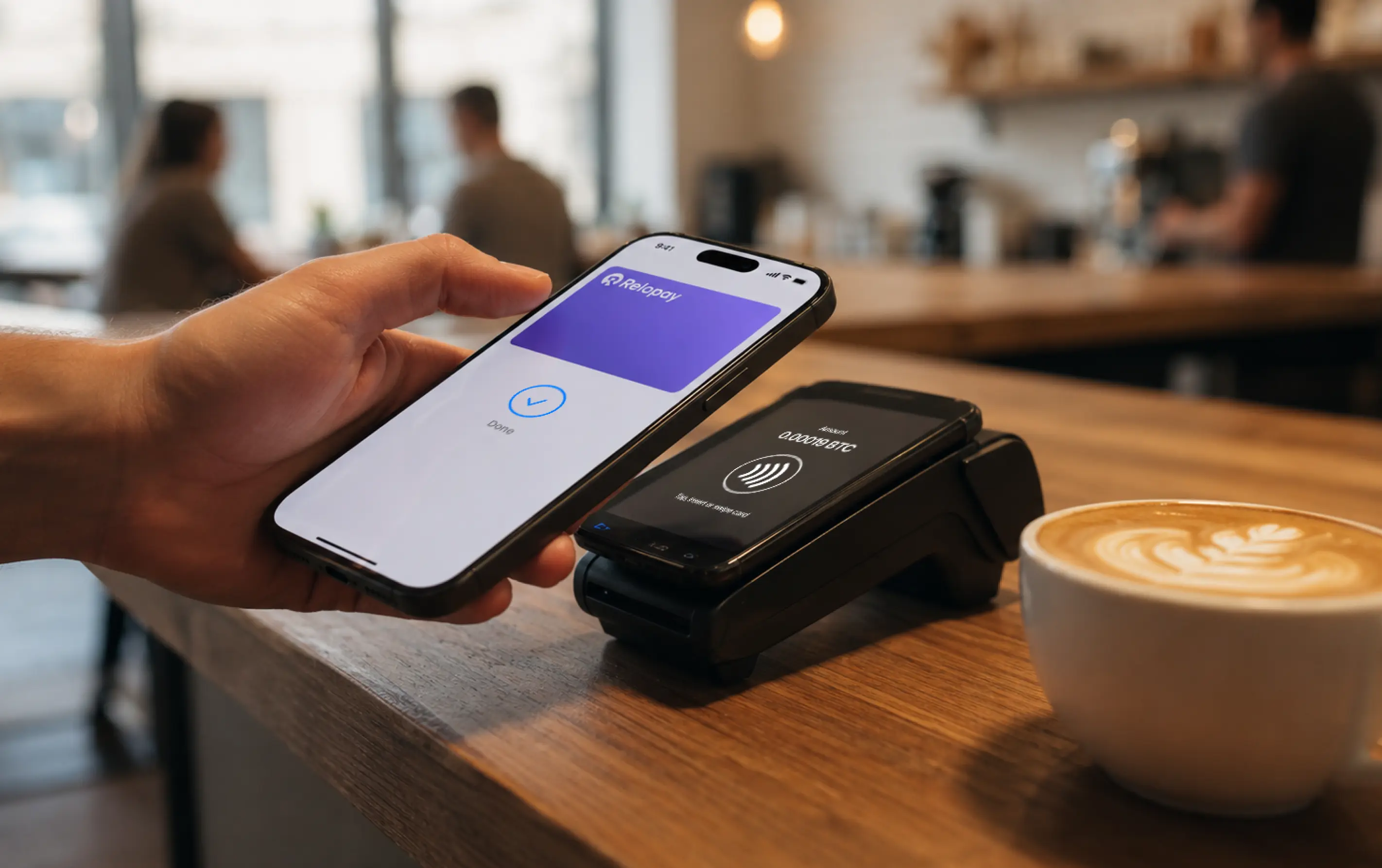
Users open a Relopay account, open a crypto debit card, top up with any of six supported assets (USDT, USDC, BTC, BNB, ETH, TON), and spend online or offline. This gives a practical spending route with clear fees and broad merchant acceptance.
Step-by-Step Guide: How to Withdraw Bitcoin to Bank Account
This section answers the core query: how to withdraw bitcoin to bank account using a standard centralized exchange route.
Step 1: Choose a Reliable Crypto Exchange Platform
Pick a reputable cryptocurrency exchange with strong security, transparent policies, and support for your country and payout currency. Check user reviews, licensing posture, supported banks, and available payment rails before creating an account.
Step 2: Transfer Crypto to Exchange
Copy your exchange deposit address carefully and choose the correct blockchain network. Send a small test transaction first, then transfer the full amount after confirmation. Keep TXID records for tracking and support.
Step 3: Sell Crypto for Fiat Currency
Use the relevant pair (for example BTC/INR, BTC/USD, BTC/EUR, BTC/GBP) and place your order. Review final execution price and total cost before confirming. Once completed, your fiat balance is ready for withdrawal.
Step 4: Withdraw Fiat to Bank Account
Go to withdrawals, add bank details, select amount, and confirm. This is the key moment people describe as withdraw btc to bank account. Double-check account name, routing identifiers, and transfer method. Then monitor status until funds arrive.
Alternative Withdrawal Methods
If direct bank withdrawal is not ideal for a specific situation, there are practical alternatives.
Using Relopay Crypto Card for Spending
Relopay is a strong option when your goal is immediate spending rather than waiting for bank settlement.
Workflow: open Relopay account, complete KYC, open a crypto debit card, top up with USDT, USDC, BTC, BNB, ETH, or TON, and spend online or offline. This model is useful for subscriptions, travel, and daily merchant payments with clear fees.
Crypto Swap to Stablecoins
Many users convert volatile coins into stablecoins before withdrawal to lock value and reduce market risk during processing windows.
Gift Cards and Spending Platforms
Gift card platforms can turn crypto into retail purchasing power without a direct bank transfer. This is not a full replacement for fiat banking, but it is a convenient supplemental path.
Timing and Cost Considerations
Good timing and cost control improve outcomes more than most users expect.
Analyzing Market Trends for Optimal Timing
Avoid emotional exits during short-term volatility. Planned withdrawals, staged selling, and target-based execution usually produce better realized results.
Understanding Fees and Exchange Rates
Total cost includes more than one line item. Review trading fees, exchange withdrawal fee, network costs, possible bank charges, and conversion spreads before finalizing.
Table 2: Fee Structure Breakdown
Processing Times for Different Methods
Speed varies by exchange queue, blockchain confirmation, compliance checks, and bank rails.
Table 3: Processing Times Comparison
Security and Safety Considerations
A secure withdrawal is a process, not one button. Strong habits prevent most problems.
Choosing Secure Exchanges and Platforms
Use established platforms with clear security controls, transparent governance, and visible incident-response standards. Prefer services with strong account protection and regular system updates.
Protecting Your Private Keys and Wallet
Never share seed phrases. Store backups safely offline. Use hardware wallets for long-term holdings and keep active balances limited for operational use.
Safe Transaction Practices
Whitelist addresses where available, verify every transfer detail, and run test transactions before large moves. Keep account alerts enabled and avoid sensitive actions on untrusted devices or networks.
Regulatory and Tax Implications
Rules differ by country, but regulatory attention is increasing across all major markets.
Global Regulatory Landscape
Governments are building clearer crypto frameworks focused on consumer protection, AML standards, and tax reporting. Staying informed helps you avoid preventable delays and compliance friction.
Tax Implications of Crypto Withdrawals
Converting crypto to fiat can trigger capital gains or income tax treatment depending on local law and transaction type. Keep records of buy price, sell price, fees, timestamps, and transfer references for accurate reporting.
Compliance Best Practices
Use one transaction log for all wallets and exchanges, store monthly statements, classify transfers consistently, and review obligations with a qualified advisor. Proactive documentation makes compliance simple.
Troubleshooting Common Issues
Most withdrawal blockers are fixable when handled systematically.
Failed or Delayed Transactions
Check network confirmations, exchange status pages, and bank processing windows first. If needed, contact support with full details: TXID, withdrawal ID, timestamp, and amount.
Bank Rejection of Crypto Transfers
If a bank rejects a crypto-linked transfer, ask for the exact reason and required documents. Consider crypto-friendly banks or digital alternatives where policy support is clearer.
Account Verification and Limit Issues
If verification fails, re-upload clear documents that exactly match account details. For limit constraints, complete higher verification tiers before initiating larger withdrawals.
Country-Specific Considerations
Regional differences directly affect speed, acceptance, and reporting.
- US: Strong exchange options and structured reporting expectations.
- UK: Clear HMRC-focused reporting discipline is essential.
- India: If you plan to withdraw bitcoin to bank account in india, prioritize exchanges with strong INR support, compliant transfer documentation, and reliable local banking compatibility.
- EU: Better harmonization is emerging, but local bank policy still matters by member state.
For users searching withdraw crypto to bank account uk, regulated platforms and complete tax records remain the safest long-term approach.
Future of Crypto-to-Bank Transfers
Crypto-banking interoperability is improving quickly.
Emerging Technologies
New settlement rails, automated compliance checks, and smarter routing are reducing friction and improving withdrawal processing time consistency.
Integration with Traditional Banking
Banks and fintech platforms are adopting clearer crypto policies, which should improve acceptance rates and reduce false-positive transfer blocks.
Innovation in Payment Solutions
Hybrid products are making it easier to choose between direct bank transfer and instant card spending. Users increasingly get both options in one ecosystem.
Frequently Asked Questions
Does HMRC know about my crypto?
HMRC can access information through exchange reporting, banking trails, and data-sharing frameworks. UK users benefit from proactive disclosure and complete records. Tax thresholds and treatment can change, so always check current HMRC guidance at filing time.
How long does it take to withdraw crypto to a bank account?
If you ask how to withdraw crypto to a bank account and how long it takes, most transfers complete between one and six days depending on platform processing, blockchain confirmations, verification level, and bank settlement schedules.
Is it safe to withdraw crypto to my bank account?
Yes, with reputable platforms and good operational security. Use 2FA, verify addresses carefully, protect wallet credentials, and keep documentation for every transaction.
What is the minimum amount I can withdraw?
Minimums vary by platform and rail. Many exchanges set practical minimums, and very small amounts can become inefficient after fees. Check your provider’s threshold before initiating.
Can I withdraw crypto without KYC verification?
Some limited methods exist, but most reliable fiat withdrawal routes involve verification. Card-based and P2P options may offer flexibility, but limits and policy conditions apply by provider and region.
What happens if my bank rejects crypto deposits?
Contact your bank for reason codes, provide source-of-funds documents, and use a bank with clearer crypto transfer policies when needed. This usually resolves repeat rejection issues.
Can I reverse a crypto withdrawal transaction?
On-chain transfers are generally irreversible once confirmed. Exchange-side requests may be stoppable only before final processing, so act immediately if you spot an error.
Which cryptocurrencies can I withdraw to my bank account?
Most major platforms support Bitcoin, Ethereum, and common high-liquidity assets. Many users convert altcoins into major pairs or stablecoins first for easier fiat settlement.
How do I withdraw crypto to my bank account?
For users asking how do I withdraw crypto to my bank account: choose a trusted exchange, complete verification, transfer crypto in, sell to fiat, add bank details, submit withdrawal, and track settlement status.
How do I withdraw Bitcoin to my bank account?
If your exact query is how do i withdraw bitcoin to my bank account, follow the Bitcoin flow: deposit BTC to exchange wallet, wait confirmations, sell BTC for fiat, request bank withdrawal, and monitor the transfer to completion.
Conclusion
You now have a complete, practical framework to withdraw crypto into traditional banking with confidence. The best method depends on your priority: speed, privacy, cost efficiency, or convenience. With proper verification, secure habits, and accurate records, crypto-to-fiat transfers can be smooth, predictable, and fully manageable.
Next Steps
Start with one trusted platform and run a small test withdrawal first.
Compare your total costs across exchange payout and card-based spending options.
If your goal is fast everyday use, consider Relopay’s KYC-compliant crypto debit card flow with top-ups in USDT, USDC, BTC, BNB, ETH, and TON.
Then scale your process once your first end-to-end transfer is successful.