The future of cryptocurrency in india is no longer a fringe topic. In 2026, it sits at the center of conversations around financial technology solutions, cross-border payments, and digital asset investing. India is moving from rapid experimentation to a more structured phase, where adoption, regulation, and product utility are developing together.
From trading activity and wallet growth to compliance-focused platforms and real-world spending tools, the market now reflects maturity. This article breaks down where India stands in 2026, what the next five years may look like, and how users can participate responsibly.
Introduction
The future of digital currency in india in 2026 is shaped by three major forces: mass digital behavior, policy formalization, and product innovation. India’s large mobile-first population has accelerated cryptocurrency adoption, while exchanges, wallet providers, and fintech apps have improved onboarding and user education.
At the same time, regulators and institutions are moving toward clearer oversight. This mix of user demand and policy evolution is what makes 2026 a defining year. Crypto is no longer only about speculation; it is increasingly tied to payment utility, wealth planning, and blockchain-based financial infrastructure.
What is Cryptocurrency?
Cryptocurrency is a digital asset secured by cryptography and powered by blockchain networks. Unlike traditional money systems controlled by one central entity, blockchain records transactions across distributed nodes, increasing transparency and resilience.
In India, users usually interact with:
- Bitcoin (store-of-value and long-term allocation)
- Ethereum (smart contracts and ecosystem utility)
- Stablecoins (lower-volatility transfers and settlement)
- Other digital assets used for specific network functions
Crypto can be used for investing, transfer, settlement, and technology participation. The value proposition depends on use case, risk profile, and regulatory compliance.
Current Landscape of Cryptocurrency in India
India’s crypto landscape in 2026 is broad and active. Participation spans metro cities and tier-2 markets, and user segments include salaried professionals, founders, freelancers, traders, and global service earners.
Key characteristics of today’s market:
- Strong engagement across cryptocurrency trading platforms
- Higher awareness of KYC/AML and platform reliability
- More focus on secure wallets and custody hygiene
- Rising demand for practical spending and transfer use cases
- Continued growth in digital asset education communities
This reflects a transition from “quick-entry speculation” to a more balanced market where users evaluate compliance, product quality, and long-term utility.
Regulatory Environment & Legal Status in India
The future of crypto currency in india depends heavily on policy clarity, and 2026 is showing steady formalization. India’s direction appears to favor regulated participation rather than an unrestricted or fully prohibited model.
Important points in the current environment:
- Crypto remains distinct from legal tender status
- Tax and reporting obligations remain central to participation
- Exchanges are expected to maintain stronger compliance standards
- Users are expected to maintain records and transparent transaction trails
The result is a market where compliance is now a core part of strategy. Investors and businesses are increasingly treating crypto activity with the same discipline as other financial operations.
Government Initiatives and Central Bank Digital Currency (CBDC)
The future of digital currency in india also includes sovereign digital infrastructure through the Digital Rupee initiative. In 2026, CBDC progress adds another layer to India’s digital finance ecosystem.
Private crypto and CBDC can coexist, because they serve different needs:
Market Trends and Growth Opportunities (2026–2031)
For those tracking the future of crypto in the next 5 years in india, the 2026–2031 outlook is driven by utility, compliance, and infrastructure quality.
Major growth vectors:
- Institutional-grade custody and risk systems
- Better retail education and safer onboarding
- Broader blockchain innovation hubs and startup output
- More practical payment integrations
- Expansion of tokenized and programmable finance models
This is where crypto future in india becomes more practical than speculative. Markets tend to stabilize as users shift toward informed participation and real-world applications.
Challenges and Risks
Even in a maturing market, risks remain:
- Policy interpretation can still vary across institutions
- Price volatility can affect short-term decision making
- Scam attempts and social engineering remain common threats
- New users may underestimate custody and security responsibilities
- Compliance complexity can still be confusing for first-time participants
The best response is process discipline: trusted platforms, clear records, risk controls, and security-first behavior.
Use Cases and Practical Applications in India
Crypto adoption in India increasingly depends on usefulness. In 2026, leading use cases include:
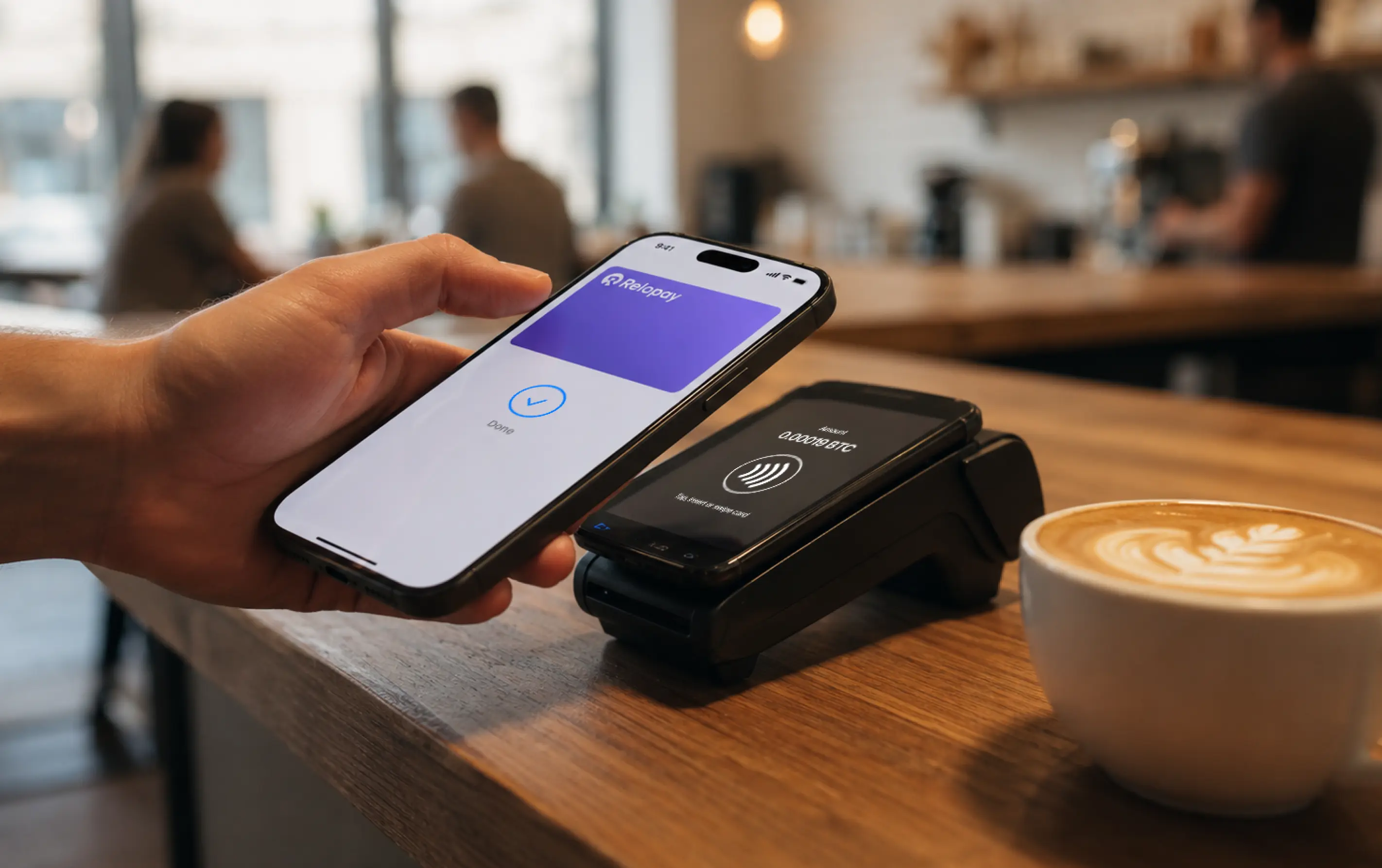
- Cross-border cryptocurrency payments
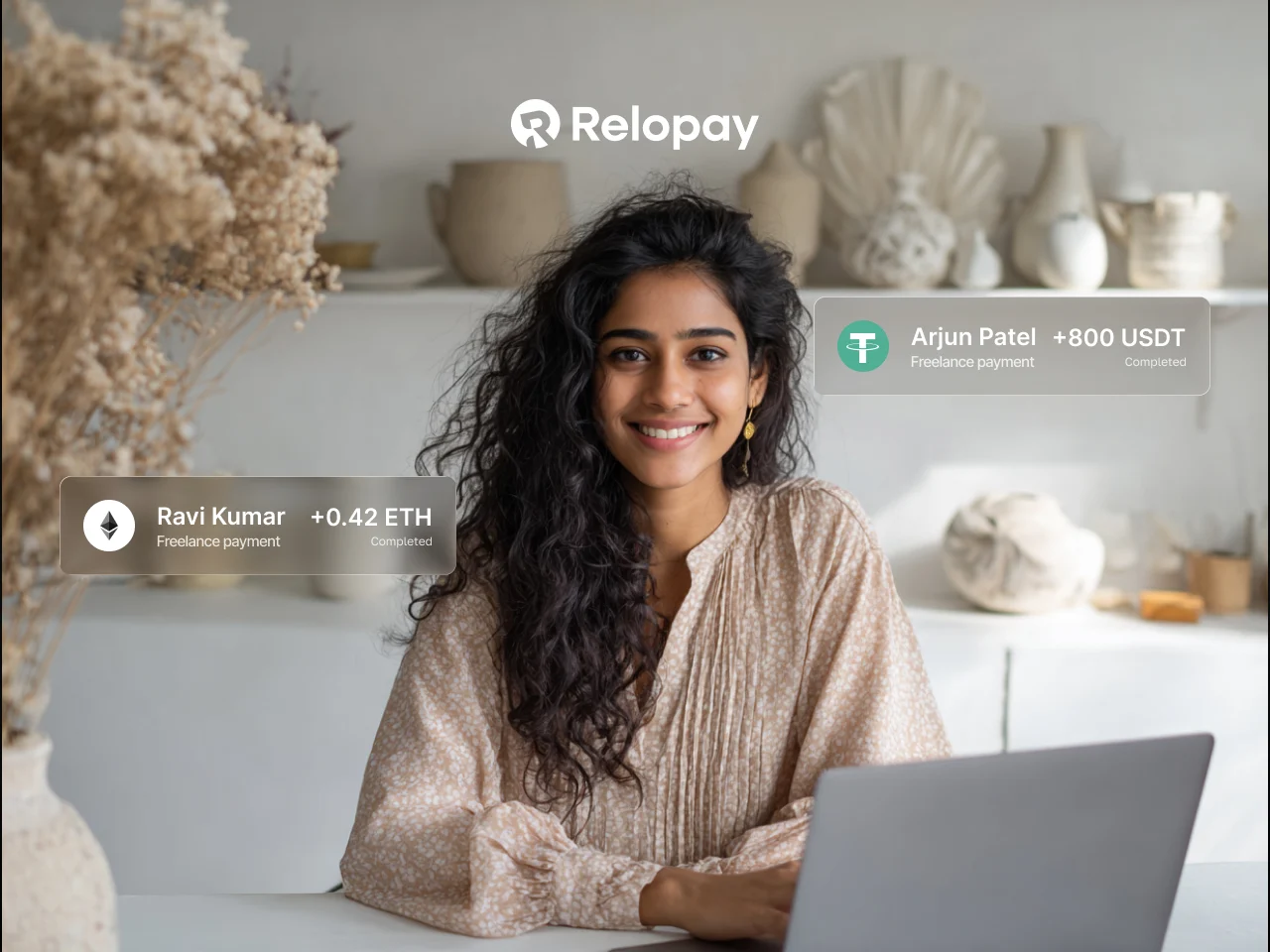
- Settlement for global freelancers and remote teams
- Digital asset diversification in personal portfolios
- Wallet-based transfers for time-sensitive value movement
- Merchant and card-linked spending experiments in compliant ecosystems
Use Case Snapshot
The Role of Technology and Innovation
The future of blockchain in india extends beyond token trading. In 2026, serious adoption discussions include supply chains, governance records, health systems, compliance workflows, and enterprise traceability.
Why this matters:
- Blockchain improves verifiability across multi-party processes
- Smart contracts reduce manual coordination overhead
- Transparent ledgers support audit and trust layers
- Decentralized architecture can improve system resilience
As implementation quality improves, blockchain adoption in non-financial sectors could become one of India’s largest long-term digital advantages.
Predictions and Expert Opinions
If you follow cryptocurrency future in india latest news, expert consensus in 2026 is becoming clearer: the market is unlikely to disappear, but it is expected to become more structured.
Most likely direction:
- Continued regulatory formalization
- Higher compliance standards for exchanges and service providers
- Better product UX with stronger safety controls
- Growth in practical, payment-linked use cases
- Deeper integration between crypto infrastructure and mainstream fintech
In short, what is the future of cryptocurrency in india? A regulated, utility-led market with stronger institutional and consumer guardrails.
How To Participate in the Crypto Ecosystem Safely
A safe approach in 2026 includes:
- Use reliable, compliance-focused exchanges and wallets
- Enable full account protection (2FA, anti-phishing, device security)
- Keep detailed records for taxes and audits
- Avoid overexposure and leverage without strict risk rules
- Stay updated on legal and policy changes
- Prioritize long-term strategy over hype cycles
Responsible participation is now the biggest advantage for retail and professional users alike.
FAQs
What is the future of ethereum in India?
Ethereum remains one of the strongest utility ecosystems due to smart contracts, tokenization, and developer activity. In India, its future depends on application growth, policy stability, and adoption of blockchain-based services. For users comparing the best cryptocurrency for future in india, Ethereum stays relevant because of ecosystem depth, not just price narratives.
What is the future of Bitcoin in India?
Bitcoin continues to be viewed as a foundational digital asset in Indian portfolios. Its brand strength, liquidity, and global relevance keep it central to long-term allocation strategies. While volatility remains, many users still treat Bitcoin as the primary entry point into crypto markets.
Does India have its own cryptocurrency?
India does not run a decentralized public cryptocurrency as state money. It does have the Digital Rupee (CBDC), which is a central bank-issued digital currency. It differs from private cryptocurrencies in governance, risk profile, and purpose.
What is the future of cryptocurrency regulation and taxation in India?
The trend in 2026 points to clearer reporting obligations, stronger platform compliance, and more formal supervisory practices. Users should expect ongoing refinement, not policy silence. Tax planning, transaction logs, and compliant platform use remain essential.
How safe is investing in cryptocurrency in India?
Safety depends on user behavior and platform selection. If you ask, is there a future for cryptocurrency in india, the strongest answer comes with risk management: verified exchanges, secure custody, diversified exposure, and disciplined execution.
When is the right time for Indians to invest in cryptocurrencies?
There is no universal perfect entry point. A phased strategy often works better than all-at-once buying. Focus on risk-adjusted allocations, long-term conviction, and consistent investment rules rather than short-term emotion.
Can cryptocurrencies be used for everyday payments and shopping in India?
Everyday usage is growing through app integrations, transfer tools, and payment-linked ecosystems. Merchant acceptance still varies, but real-world utility is expanding, especially in digital-first services and global payment contexts.
Are crypto exchanges and wallets compliant and reliable in India?
Some are highly reliable, others are not. Users should check compliance standards, security architecture, transparency, support quality, and withdrawal consistency before onboarding.
Will India ban or allow cryptocurrency in the future?
On current direction, will india ban cryptocurrency in future appears less likely than a regulated participation model. In 2026, the trajectory favors controlled growth under compliance-driven frameworks.
What impact could blockchain have on India's economy beyond cryptocurrency?
Beyond currency, blockchain can improve traceability, auditability, and efficiency in logistics, healthcare, enterprise workflows, and public systems. This broader utility may deliver lasting economic impact regardless of short-term token cycles.
Conclusion
India’s crypto market in 2026 is entering a more mature stage. Adoption remains strong, policy structures are becoming clearer, and technology use cases are broadening. The long-term opportunity is significant, especially where crypto and blockchain solve real financial and operational problems.
For users and businesses, the best path is clear: stay compliant, stay informed, focus on secure platforms, and prioritize utility-driven participation.
Next Steps
- Review your crypto strategy for 2026–2031, not just short-term moves
- Use compliant platforms and maintain complete transaction records
- Follow policy updates and taxation guidance regularly
- Explore practical, real-world crypto use cases before scaling exposure